UNESCO · Patrimonio de la Humanidad
The Medina of Tetouan
A living Andalusian heart between history, spirituality, craftsmanship, and memory
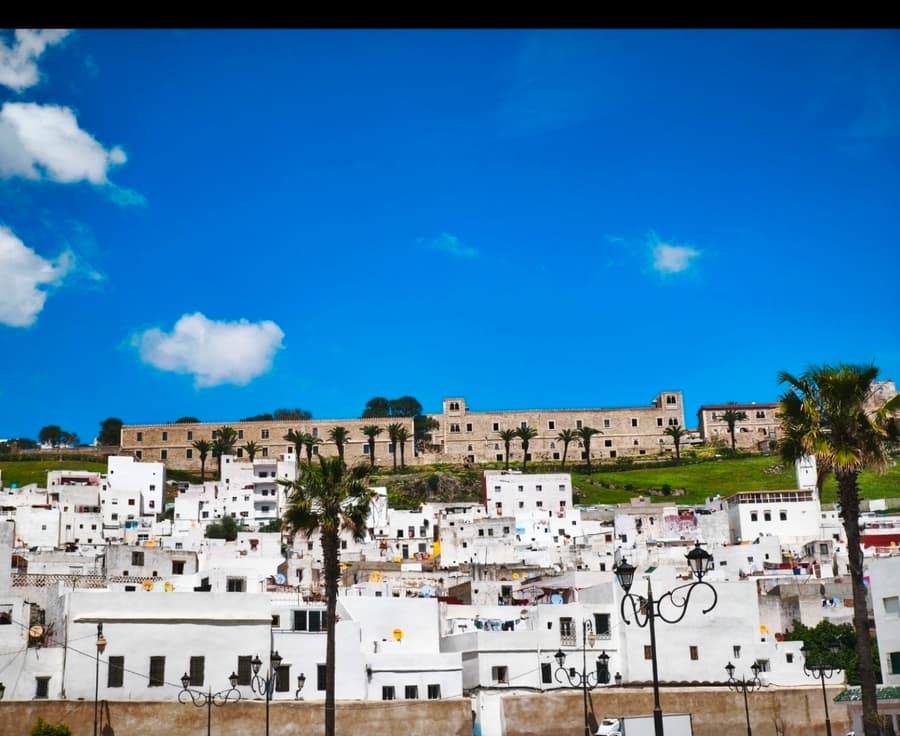
Tetouan's medina is not just an old quarter. It is a living space where history, spirituality, craftsmanship, and daily life remain intertwined. Declared a UNESCO World Heritage Site in 1997, it preserves the most authentic Andalusian imprint in northern Morocco.
Why it's special
Andalusi heritage
Refounded in 1485 by Andalusian families, its layout, patios, and crafts preserve the living imprint of al-Andalus.
Living heritage
UNESCO has recognized it since 1997 as one of the best-preserved medinas in the Maghreb.
Gates and walls
Seven historic gates articulate access to a walled enclosure that defined the city's life for centuries.
Zawiyas and spirituality
Zawiyas connect neighborhoods, memory, and faith. They are spiritual centers that shaped every corner's identity.
Traditional craftsmanship
Zellige, plasterwork, carved wood, leather, and textiles: crafts passed from master to apprentice for generations.
Corners with memory
Every alley, gate, and fountain tells a story. The medina is an open book for those who know how to look slowly.
Must-see
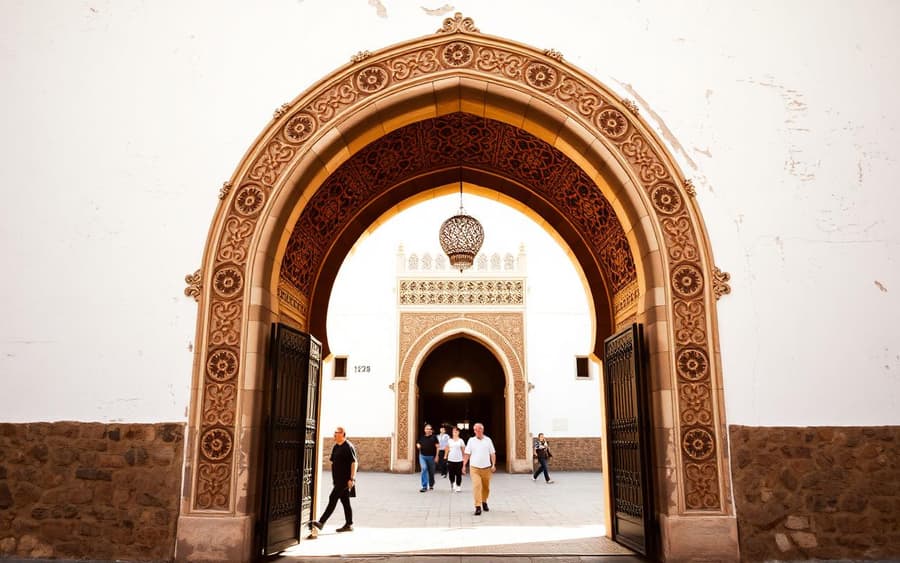
Bab Okla
One of the most beautiful and emblematic gates of the historic walls.
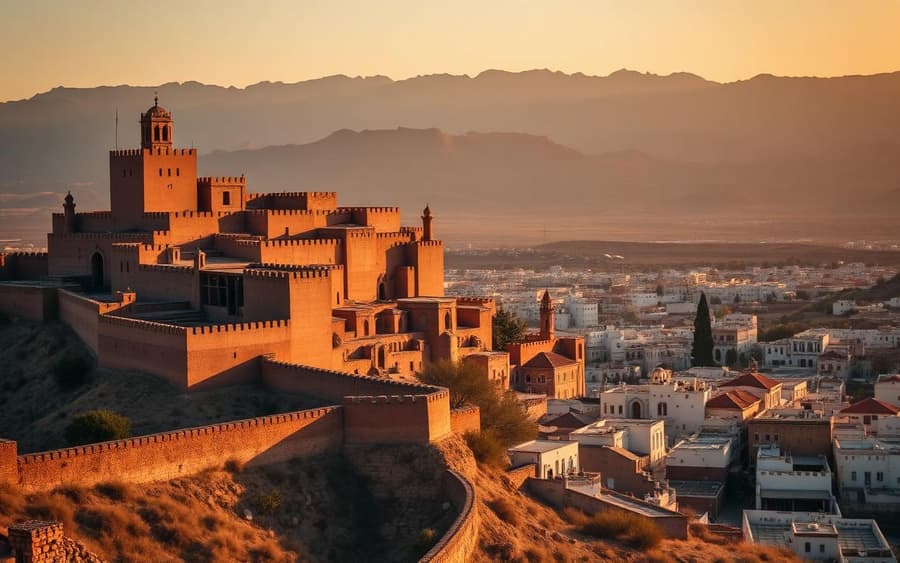
Kasbah
The founding fortress of Sidi al-Mandri, viewpoint over the entire medina.
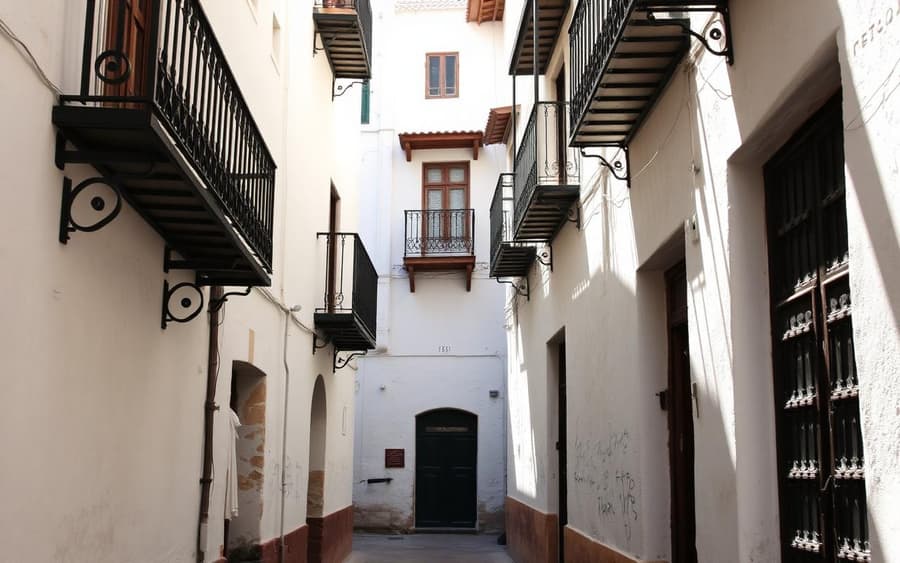
Mellah
The old Jewish quarter, testimony to Tetouan's historic diversity.
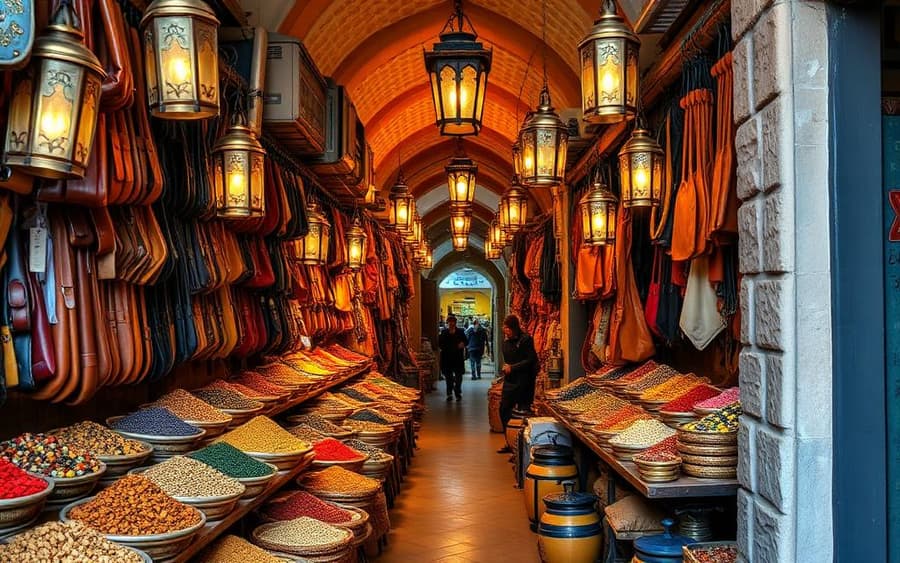
Souks
Traditional markets organized by guilds, with centuries of commercial activity.
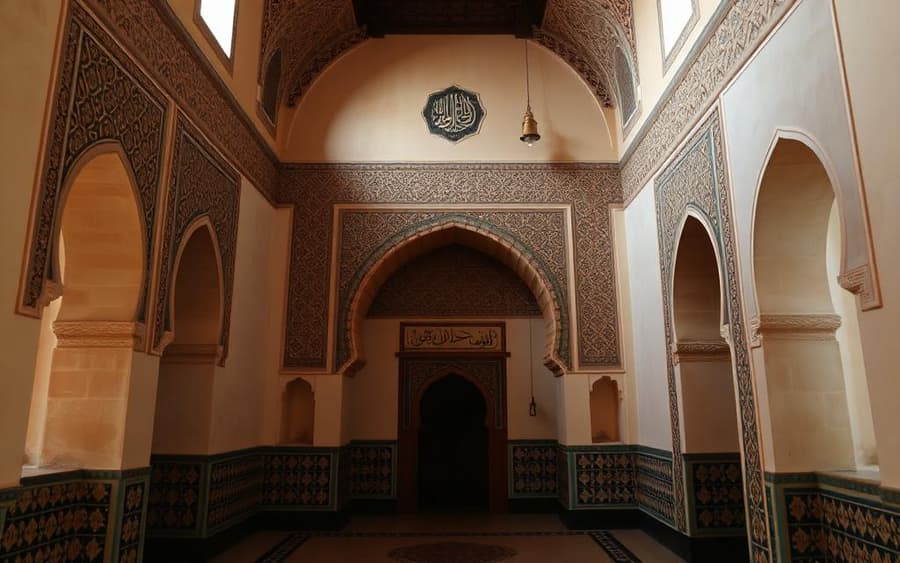
Zawiyas
Spiritual centers connecting faith, neighborhood, and collective memory.
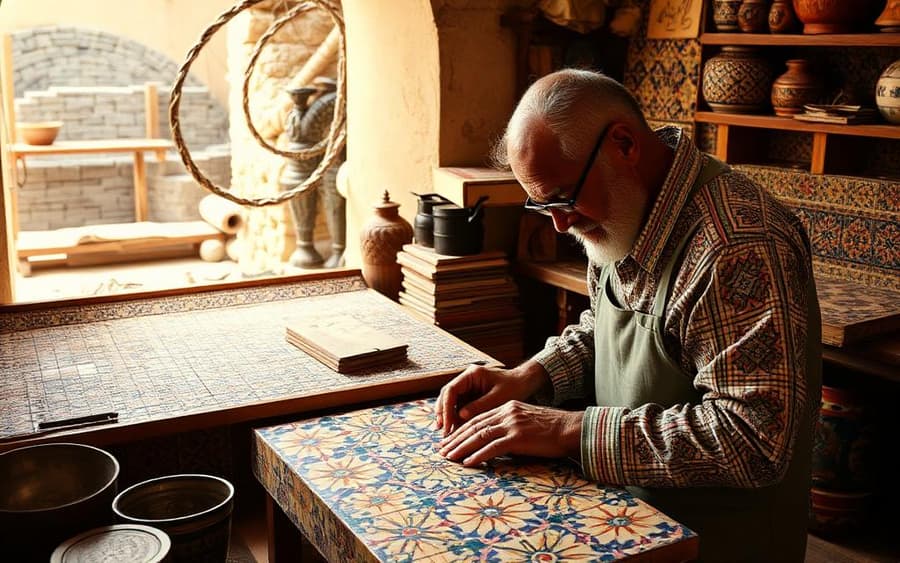
Crafts
Zellige, wood, plaster, leather: the living artisan knowledge of the medina.