Foto: Oumaima Achoua · Wikimedia Commons · CC BY-SA 4.0
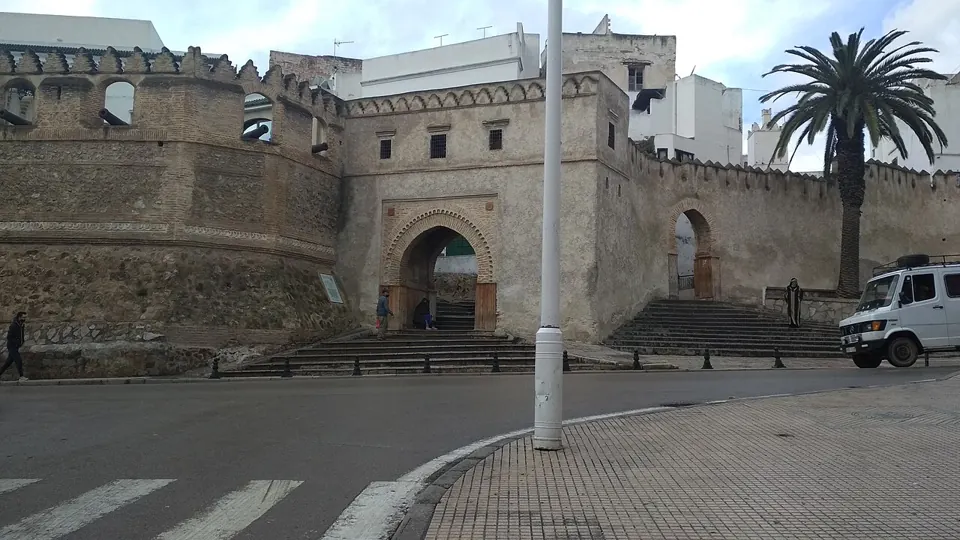
Bab Okla
باب العقلة
The most iconic gate of the medina, one of the best preserved. Its horseshoe arch and strategic position make it a symbol of the historic city.
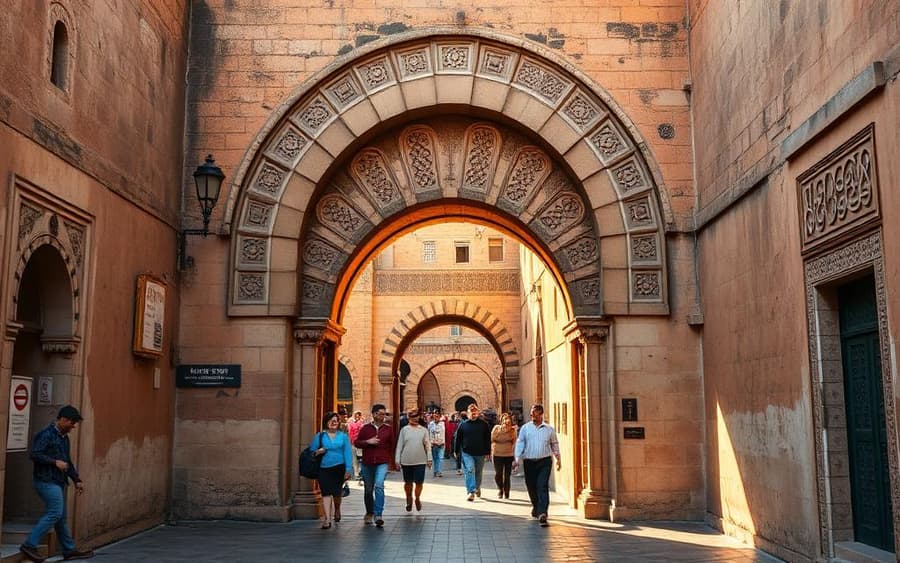
Foto: Oumaima Achoua · Wikimedia Commons · CC BY-SA 4.0
باب العقلة
The most iconic gate of the medina, one of the best preserved. Its horseshoe arch and strategic position make it a symbol of the historic city.
Foto: Oumaima Achoua · Wikimedia Commons · CC BY-SA 4.0
باب العقلة
The most iconic gate of the medina, one of the best preserved. Its horseshoe arch and strategic position make it a symbol of the historic city.
Importance
Main historic access to the medina from the east.
Nearby
Hassan II Square, Archaeological Museum, start of the souk.
💡 Curiosity
Its name may derive from "the gate of reason" or a nearby ancient fondouk.
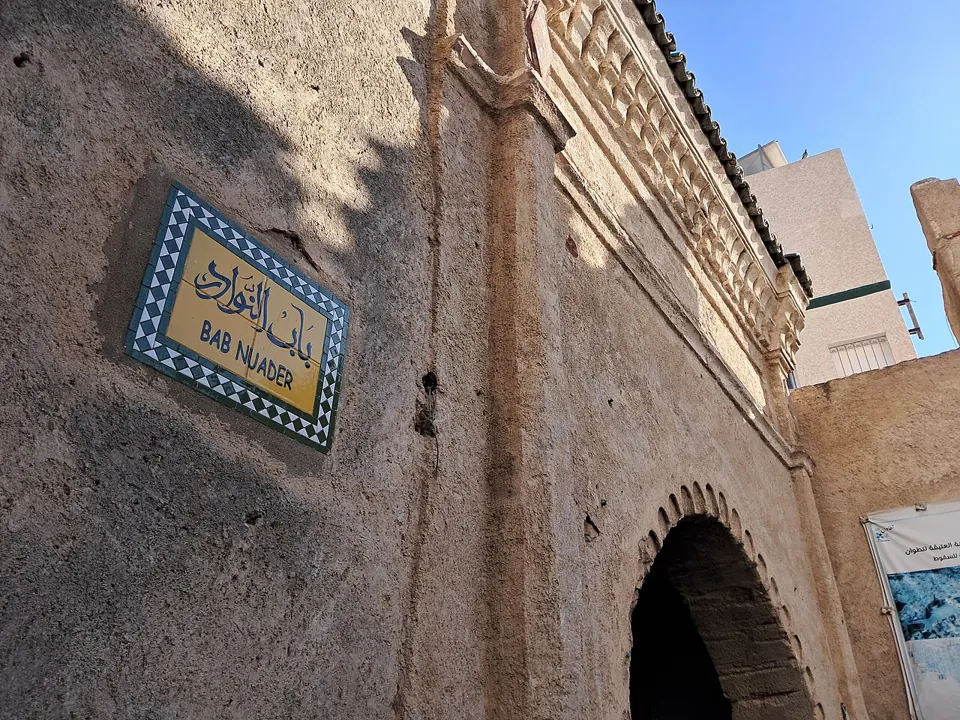
Foto: Ideophagous · Wikimedia Commons · CC BY-SA 4.0
باب النوادر
Western gate marking the transition between the medina and open spaces outside.
Importance
Defined the western edge of the medina for centuries.
Nearby
Market area and access to outer neighborhoods.
💡 Curiosity
Its name is linked to the threshing floors that once existed outside the walls.
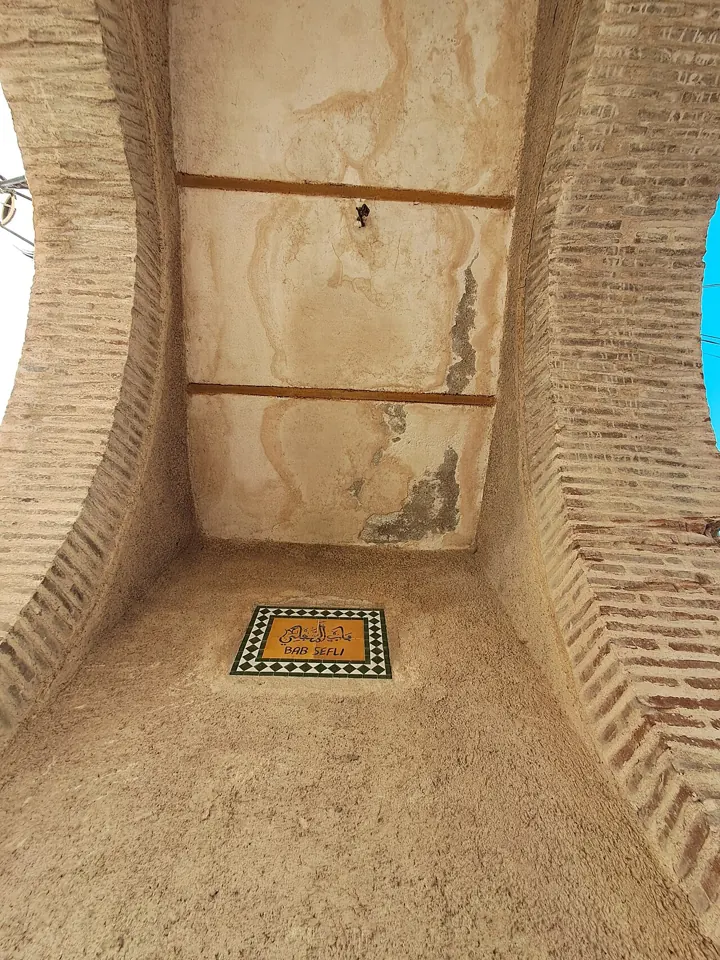
Foto: Ideophagous · Wikimedia Commons · CC BY-SA 4.0
باب الجياف
A gate with special symbolic weight, historically linked to the funeral rituals of the medina.
Importance
Connected the medina with the cemetery and farewell spaces.
Nearby
Historic cemetery, quiet residential area.
💡 Curiosity
Its name literally means "gate of the dead".
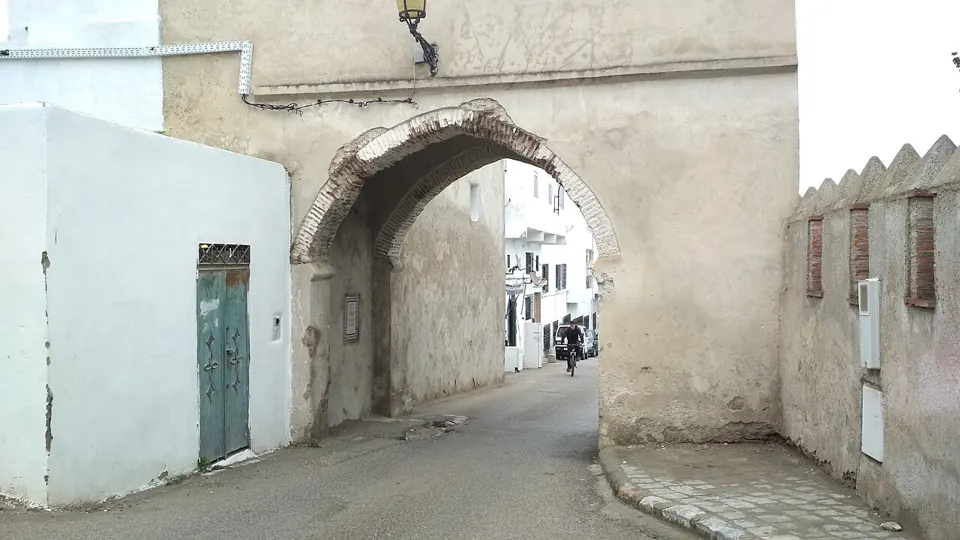
Foto: Oumaima Achoua · Wikimedia Commons · CC BY-SA 4.0
باب الرموز
A gate that is both monumental and discreet, associated with one of the medina's most distinctive neighborhoods.
Importance
Access to one of the oldest and most vibrant neighborhoods.
Nearby
Historic residential neighborhoods, small squares and shops.
💡 Curiosity
Its name may relate to "signs" or "symbols" that marked boundaries.
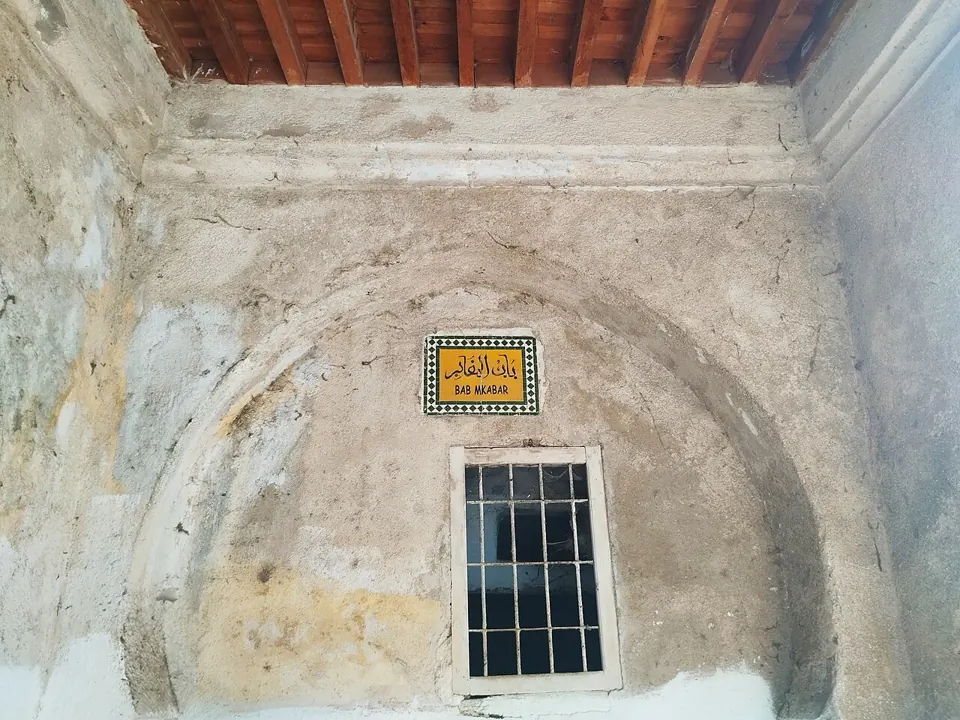
Foto: Rachidourkia · Wikimedia Commons · CC BY-SA 4.0
باب المقابر
A gate charged with memory, linked to the passage between urban life and eternal rest.
Importance
Direct connection to the city's historic cemetery.
Nearby
Well-preserved walls, quiet neighborhood.
💡 Curiosity
Its name directly references the tombs and cemeteries that surround it.
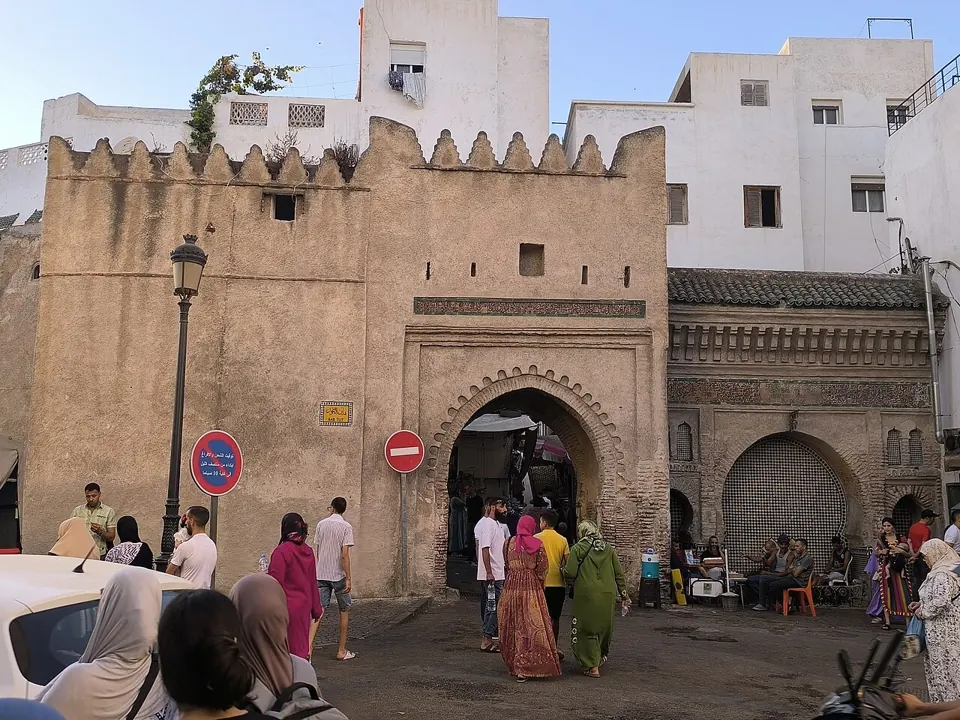
Foto: Rachid Baya · Wikimedia Commons · CC0 1.0
باب التوت
Gate on the western side of the medina. Its Arabic name, at-Tut, means "the mulberry tree". Today it is one of the most direct links between the walled city and the Spanish-era Ensanche.
Importance
Hinge between the historic medina and the modern city.
Nearby
Ensanche, Hassan II Square and the medina's shopping streets.
💡 Curiosity
It is one of the seven traditional gates of Tetouan's walls.
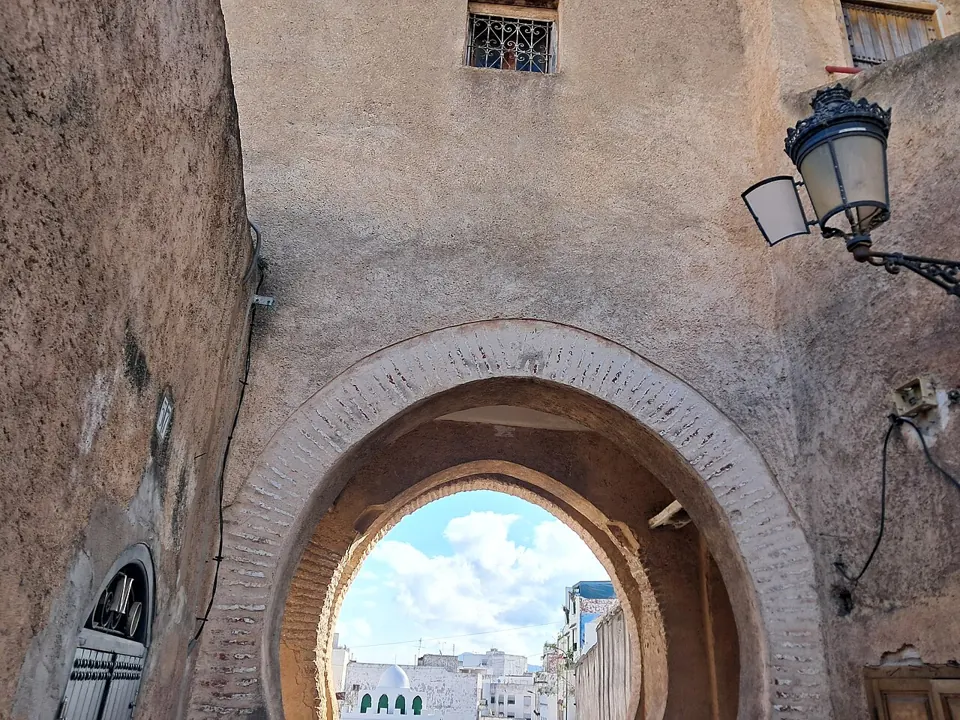
Foto: Ideophagous · Wikimedia Commons · CC BY-SA 4.0
باب السعيدة
Gate on the north-eastern flank of the walls. Its name, as-Saida, means "the fortunate" or "the happy one". It links the upper medina with the slopes rising to the north.
Importance
North-eastern entrance to the walled city.
Nearby
Upper residential quarters of the medina and stretches of wall.
💡 Curiosity
It is one of the seven traditional gates of Tetouan's walls.
The medina wall ran along the entire perimeter of the old city, defining a protected space. Some sections are well-preserved and allow imagining the scale of the original fortification.